Bresle Patches About
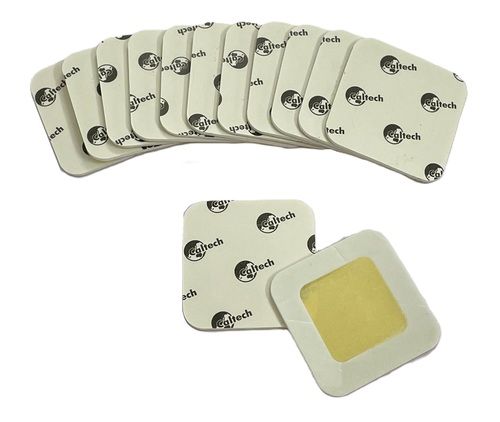
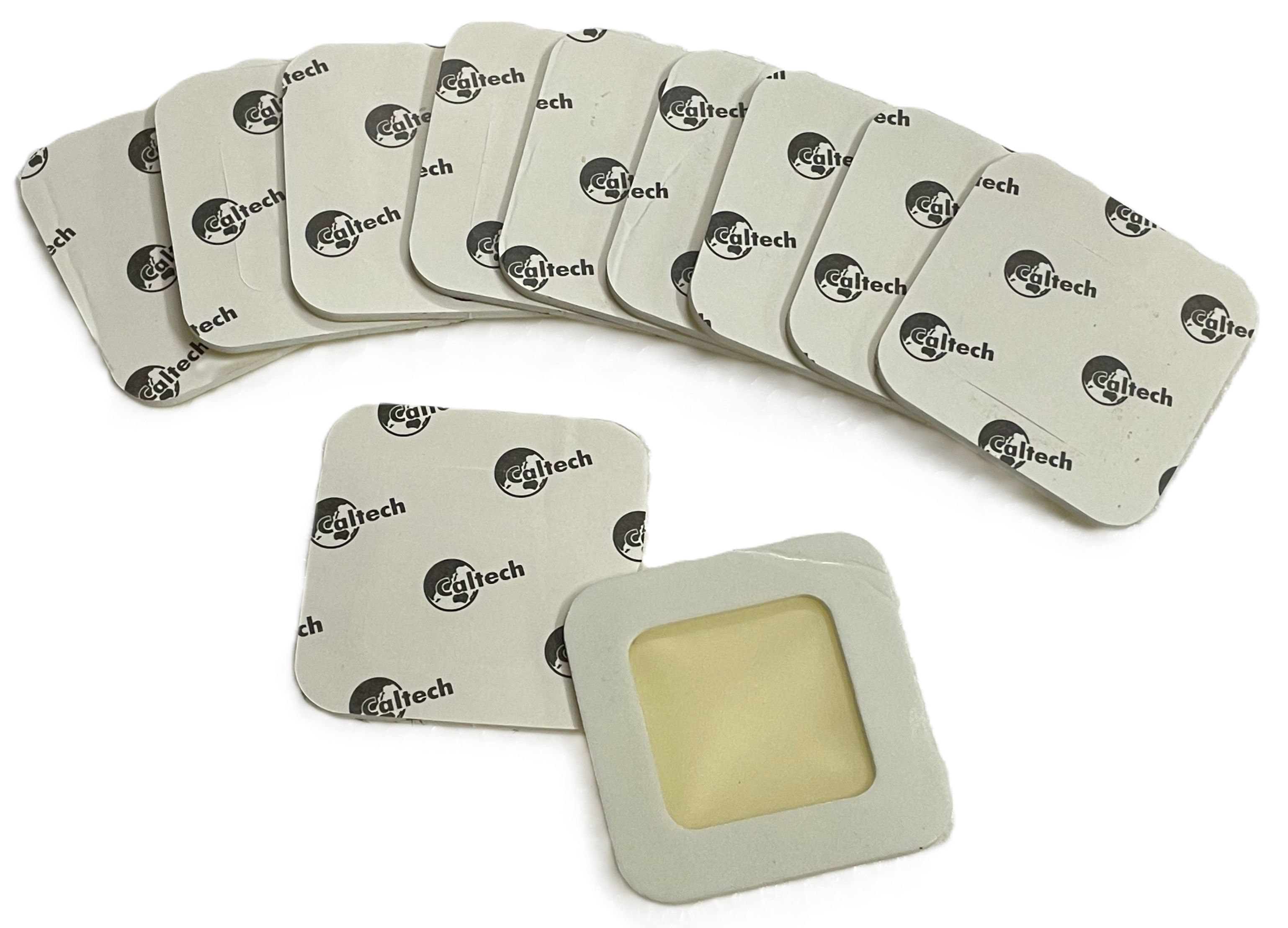
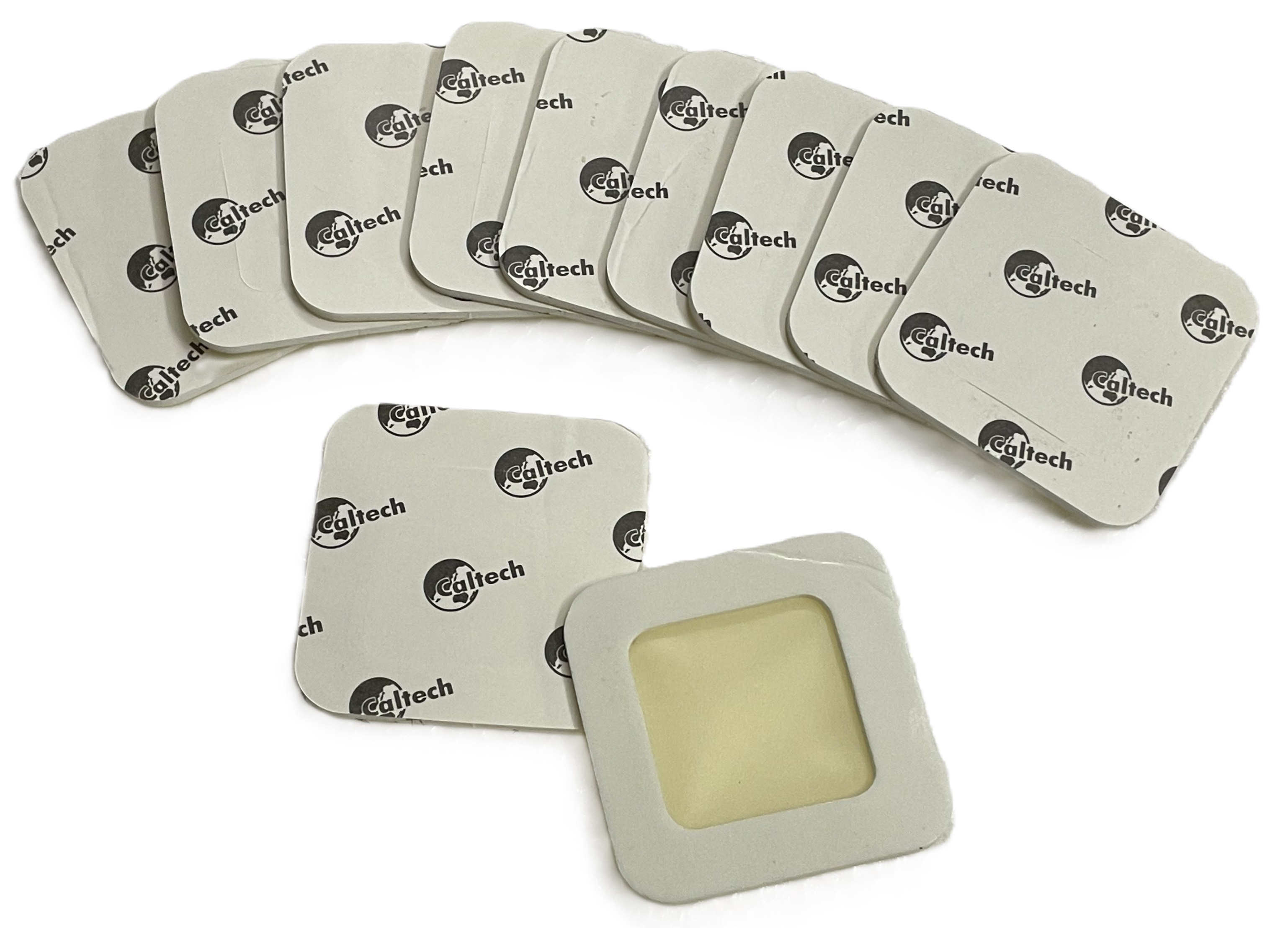
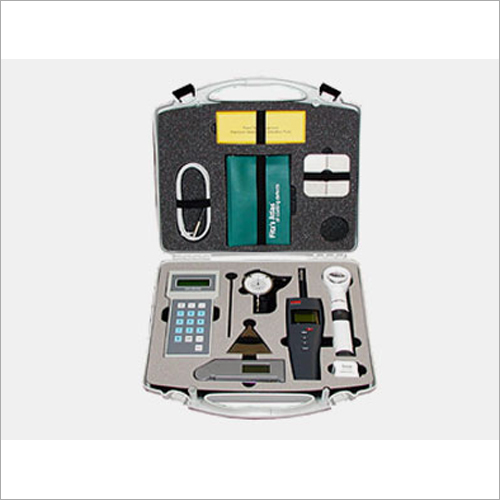
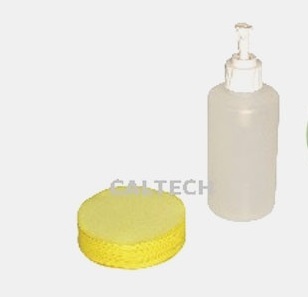
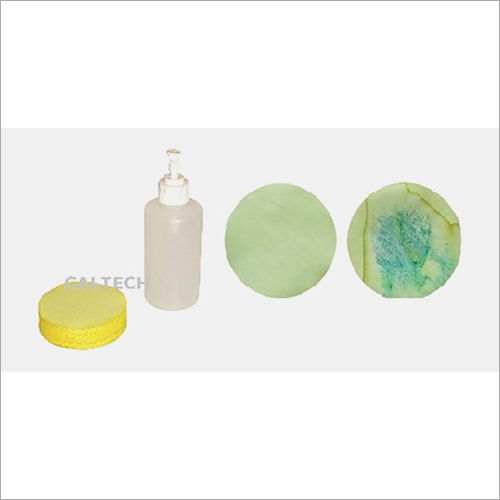
Bresle patches for bresle test kit will allow you to extract for analysis, water-soluble salts and corrosion products from blast cleaned steel. These compounds are almost colourless and are localized at the lowest point of the rust pits.If they are not removed prior to painting, chemical reactions can result in blister formation and accumulations of rust that destroy the adhesion between the substrate and the applied protective coating.The maximum permissible surface density of salts on the steel surface prior to surface treatment depends on the type of paint to be applied and what the finished material or product is to be used for surface treatment specifications must, therefore, state the highest permissible surface density of salts for each particular application.Application and ComplianceBresle Patches are specifically designed for surface testing to detect and quantify soluble salt contamination before coating. Their compatibility with ISO 8502-6 and ISO 8502-9 ensures that users follow internationally recognized test protocols, making them highly suitable for quality control and inspection in industrial settings. The patches conform to strict standards, providing reliable and reproducible results.
Reliable and Easy-to-UseUsing Bresle Patches is straightforward: simply apply the patch to the prepared substrate, inject the test solution (about 3 ml), and extract it for analysis. The non-reactive adhesive ensures a secure fit without altering the substrate or test solution. Single-use design guarantees accuracy and eliminates potential cross-contamination, which is crucial for precise surface evaluation.
Packing Options and StorageBresle Patches are available in convenient packs of 25, 50, or 100. They should be stored in a cool, dry place (recommended temperature 5C to 35C) to preserve their shelf life, which ranges from 12 to 24 months unopened. Proper storage helps ensure the integrity of the adhesive and material, delivering consistent results throughout their lifespan.
FAQs of Bresle Patches:
Q: How are Bresle Patches used for salt contamination testing?
A: Bresle Patches are applied to a clean substrate surface, where a test solution (typically 3 ml) is injected and then extracted for analysis. This process enables accurate measurement of soluble salts according to ISO 8502-6 and ISO 8502-9 standards.
Q: What benefits do Bresle Patches offer compared to other methods?
A: Bresle Patches provide highly accurate, reproducible results with minimal risk of cross-contamination thanks to their single-use design. Their compatibility with industry standards ensures reliability during surface preparation prior to coating.
Q: When should Bresle Patches be used during a coating process?
A: You should use Bresle Patches before the application of protective or decorative coatings on substrates to determine if soluble salt contamination is within acceptable limits, ensuring optimal coating performance and durability.
Q: Where can Bresle Patches be applied and who typically uses them?
A: Bresle Patches are suitable for use on steel, metal, or other industrial substrate surfaces. They are commonly used by manufacturers, suppliers, exporters, service providers, and quality inspectors in surface preparation processes across India.
Q: What is the typical solution volume required for each Bresle Patch test?
A: Each Bresle Patch is designed to accommodate approximately 3 ml of test solution, providing sufficient volume for sampling and accurate analysis.
Q: How should Bresle Patches be stored to maintain their effectiveness?
A: Store Bresle Patches at room temperature in a dry environment, ideally between 5C and 35C, to preserve their adhesive and maintain shelf life, which lasts 12 to 24 months when unopened.
Q: What is the measurement range and resolution for Bresle Patch tests?
A: Bresle Patches measure salt contamination within the range of 0 to 50 g/cm, with resolution as defined by ISO 8502-6, ensuring sensitive detection and precise quantification.








 Send Inquiry


 Send Inquiry


 English
 Spanish
 French
 German
 Italian
 Chinese (Simplified)
 Japanese
 Korean
 Arabic
 Portuguese