

Call us now
07971549969
Call us now
07971549969
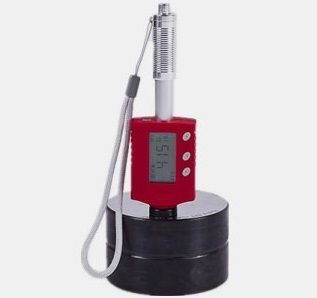
Caltech India offers Leeb Hardness Tester. Portable Digital Hardness Tester Leeb 180 is an advanced state-of-the-art Palm Sized professional metal hardness tester with many new features. Digital portable hardness tester Leeb 180 is light weight, easy in operation, integrated probe design, high contrast OEL Organic Electroluminescent Display, low operating temperature, auto compensating for impact direction.
Portable Hardness Tester Leeb 180 can be widely used for measuring metal hardness of almost all ferrous and non-ferrous metal materials for scale of Leeb hardness, Rockwell C & B, Brinell, Vickers, Shore and Strength. Portable metal hardness tester model Leeb 180 is based on the principle of Leeb hardness testing theory, it can be used to detect a variety of metal materials. Leeb 180 portable digital metal hardness tester has accurate and stable measurement value. Leeb 180 hardness tester has new design, compact, lightweight hardness tester. Hardness tester has easy measuring in high altitude operations. Direct display of hardness scale, freely convert between HRB, HRC, HV, HB, HS, HL.

Price:
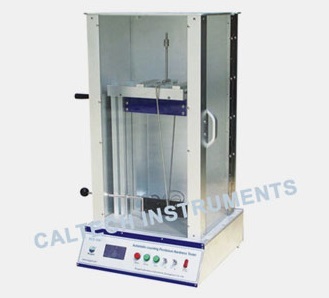
Price 189.0 INR / Unit
Minimum Order Quantity : 1 Unit
Display Type : Other, Analog (Dial and stopper)
Power Supply : Not required (manual operation)
Measurement Range : 0200 seconds (hardness indication as time to damped angle)
Application Media : Paint, lacquer, and varnish coatings
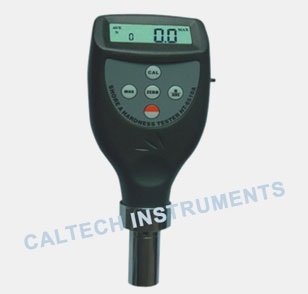
Price 50 INR / Unit
Minimum Order Quantity : 1 Unit
Display Type : Other, Analog dial
Power Supply : No external power required (manual operation)
Measurement Range : 0 100 Shore (A, D etc. as per type)
Application Media : Rubber, soft plastics, elastomers, polymers
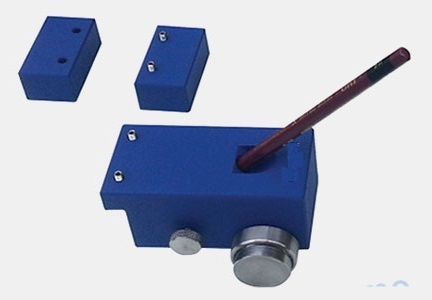
Price 50 INR / Unit
Minimum Order Quantity : 1 , , Unit
Display Type : Other, Analogue (No digital display)
Power Supply : Not required (Manual operation)
Measurement Range : 6B to 9H (Standard pencil grades)
Application Media : Coated Surfaces, Paint, Varnish, Lacquer
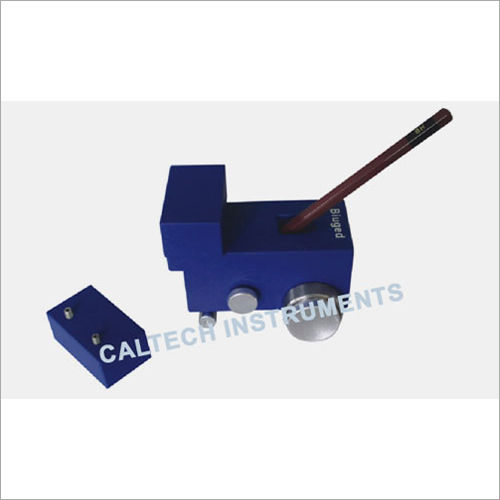
Price 50 INR / Piece
Minimum Order Quantity : 50 Pieces
Display Type : Other, Analog (Visual Inspection)
Power Supply : Not Required (Manual Operation)
Measurement Range : 6B 9H
Application Media : Coated Surfaces, Paints, Varnishes





 Send Inquiry


 Send Inquiry


 English
 Spanish
 French
 German
 Italian
 Chinese (Simplified)
 Japanese
 Korean
 Arabic
 Portuguese