

Call us now
07971549969
Call us now
07971549969
Technical Specification
|
Description |
Order Information |
Groove Size (LxW) |
Ranges |
Overall dimension |
Graduation |
Number of Grooves |
|
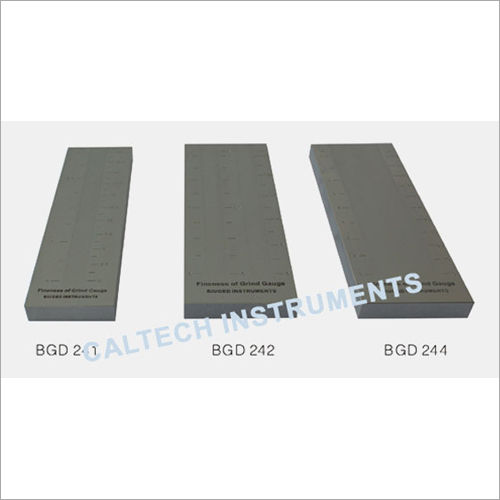
Single-Channel Grind Gauge |
BGD 241/0 |
140x12.5mm |
0-15m |
170x50x12mm |
0.625m |
1 |
|
BGD 241/1 |
0-25m |
170x50x12mm |
1.25 m |
1 |
||
|
BGD 241/2 |
0-50m |
170x50x12mm |
2.5 m |
1 |
||
|
BGD 241/3 |
0-100m |
170x50x12mm |
5 m |
1 |
||
|
Double-Channel Grind Gauge |
BGD 242/0 |
140x12.5mm |
0-15m |
175x65x12mm |
0.625 m |
2 |
|
BGD 242/1 |
0-25m |
175x65x12mm |
1.25 m |
2 |
||
|
BGD 242/2 |
0-50m |
175x65x12mm |
2.5 m |
2 |
||
|
BGD 242/3 |
0-100m |
175x65x12mm |
5 m |
2 |
||
|
Wide-Channel Grind Gauge |
BGD 244/1 |
140x37.0mm |
0-25m |
175x65x12mm |
1.25 m |
1 |
|
BGD 244/2 |
0-50m |
175x65x12mm |
2.5 m |
1 |
||
|
BGD 244/3 |
0-100m |
175x65x12mm |
5 m |
1 |

Price:
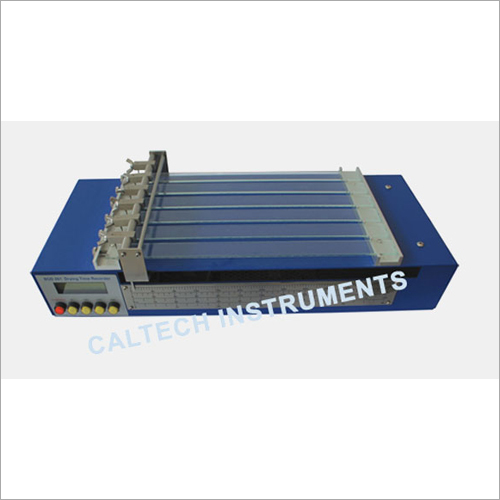
Price 850.0 INR / Piece
Minimum Order Quantity : 1 Piece
Accuracy : High accuracy in time recording
Material : Mild Steel with Powder Coating
Display Type : Other, Analog
Power Supply : 230 V AC, 50 Hz
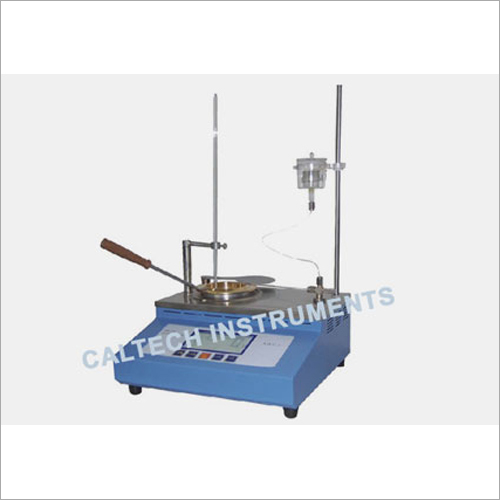
Price 50.0 INR / Piece
Minimum Order Quantity : 1 Piece
Accuracy : 1C
Material : Stainless Steel (SS) body with heatresistant parts
Display Type : Other, Digital LED Display
Power Supply : 230V 10%, 50Hz AC
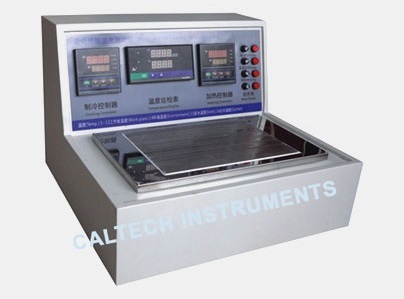
Price 50 INR / Unit
Minimum Order Quantity : 1 Unit
Accuracy : 0.1C
Material : Stainless Steel Body
Display Type : Other, Digital Display
Power Supply : 220V AC, 50Hz
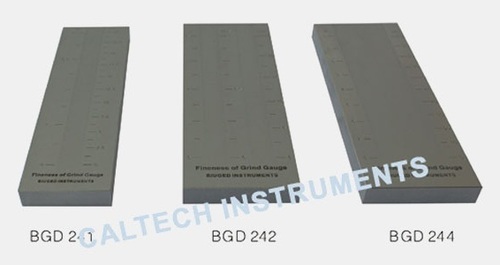
Price 170.0 INR / Unit
Minimum Order Quantity : 1 Unit
Accuracy : 1 Hegman Unit
Material : Stainless Steel or Hardened Alloy
Display Type : Other, Engraved Scale
Power Supply : Not Required (Manual)





 Send Inquiry


 Send Inquiry


 English
 Spanish
 French
 German
 Italian
 Chinese (Simplified)
 Japanese
 Korean
 Arabic
 Portuguese