About Ford Cups
Ford Cups
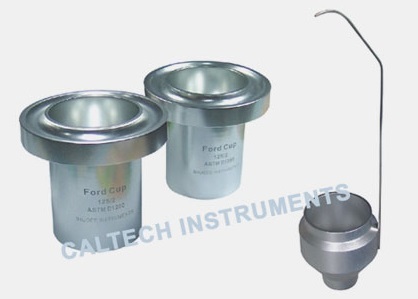
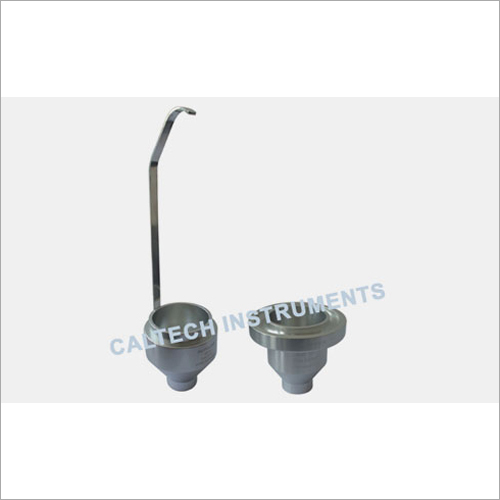
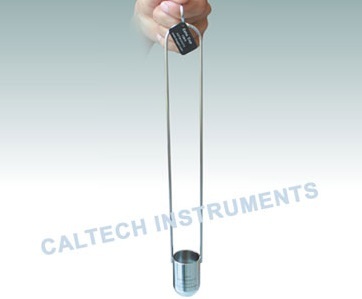
Caltech India offers CES 324- Ford Cups. It is produced by our company are in accordance with International Standard ASTM D1200, D333, and D365. For easy measurement of the viscosity of paints, inks, lacquers and other liquids. All Ford cups are machined anodic oxidation aluminum with removable stainless steel orifice and are guaranteed to be within 2% throughout the recommended range of use.
Versatile Viscosity MeasurementFord Cups are designed for reliable viscosity testing and are applicable across a wide range of industries including paint, ink, varnish, and chemicals. Available in five cup numbers, these standard tools cater to diverse measurement needs and comply with established industry protocols.
Superior Material and FinishManufactured from either stainless steel or anodized aluminum, Ford Cups offer exceptional corrosion resistance and durability. Their smooth internal finish ensures consistent sample flow and prevents calculation errors during testing procedures.
Efficient and Accurate Testing ProcessThe testing method is simple: dip the Ford Cup into the liquid, fill, then record the outflow time using a timer. The standardized diameter and accurate orifice size ensure repeatable and reliable results, making it an essential instrument for quality control.
FAQs of Ford Cups:
Q: How do I use a Ford Cup to measure viscosity?
A: To measure viscosity with a Ford Cup, immerse the cup in the sample liquid, fill it completely, and lift it to allow the liquid to flow out. Record the outflow time using a stopwatch; the elapsed seconds correspond to viscosity, based on the cup number and referenced standards.
Q: What is the difference between Ford Cup numbers?
A: Each Ford Cup number features a unique orifice size and flow characteristics, allowing for testing a specific range of viscosities. Selection depends on the liquids expected viscosity; consult standards or your labs protocol to choose the appropriate cup model.
Q: When and where are Ford Cups typically used?
A: Ford Cups are widely employed in coatings, chemical industries, and quality control laboratories. They are used whenever precise viscosity measurement is needed, especially for paints, varnishes, inks, or similar liquids, typically at ambient laboratory temperatures.
Q: What are the benefits of the smooth internal finish?
A: A smooth internal finish inside each Ford Cup reduces turbulence and ensures uninterrupted liquid flow, thereby improving the reliability and accuracy of viscosity measurements by minimizing error sources.
Q: How should I clean a Ford Cup after use?
A: Cleaning a Ford Cup is straightforward. Wash the cup with a suitable solvent or detergent compatible with the liquid tested. The corrosion-resistant materialstainless steel or anodized aluminumsimplifies maintenance and prolongs the cups service life.
Q: Can Ford Cups measure all types of liquids?
A: Ford Cups are best suited for low to medium viscosity fluids such as paints, inks, varnishes, and select chemicals. Ensure the liquid matches the cups measurement range and does not contain abrasive or highly reactive additives.








 Send Inquiry


 Send Inquiry


 English
 Spanish
 French
 German
 Italian
 Chinese (Simplified)
 Japanese
 Korean
 Arabic
 Portuguese